Photo via FreightWaves
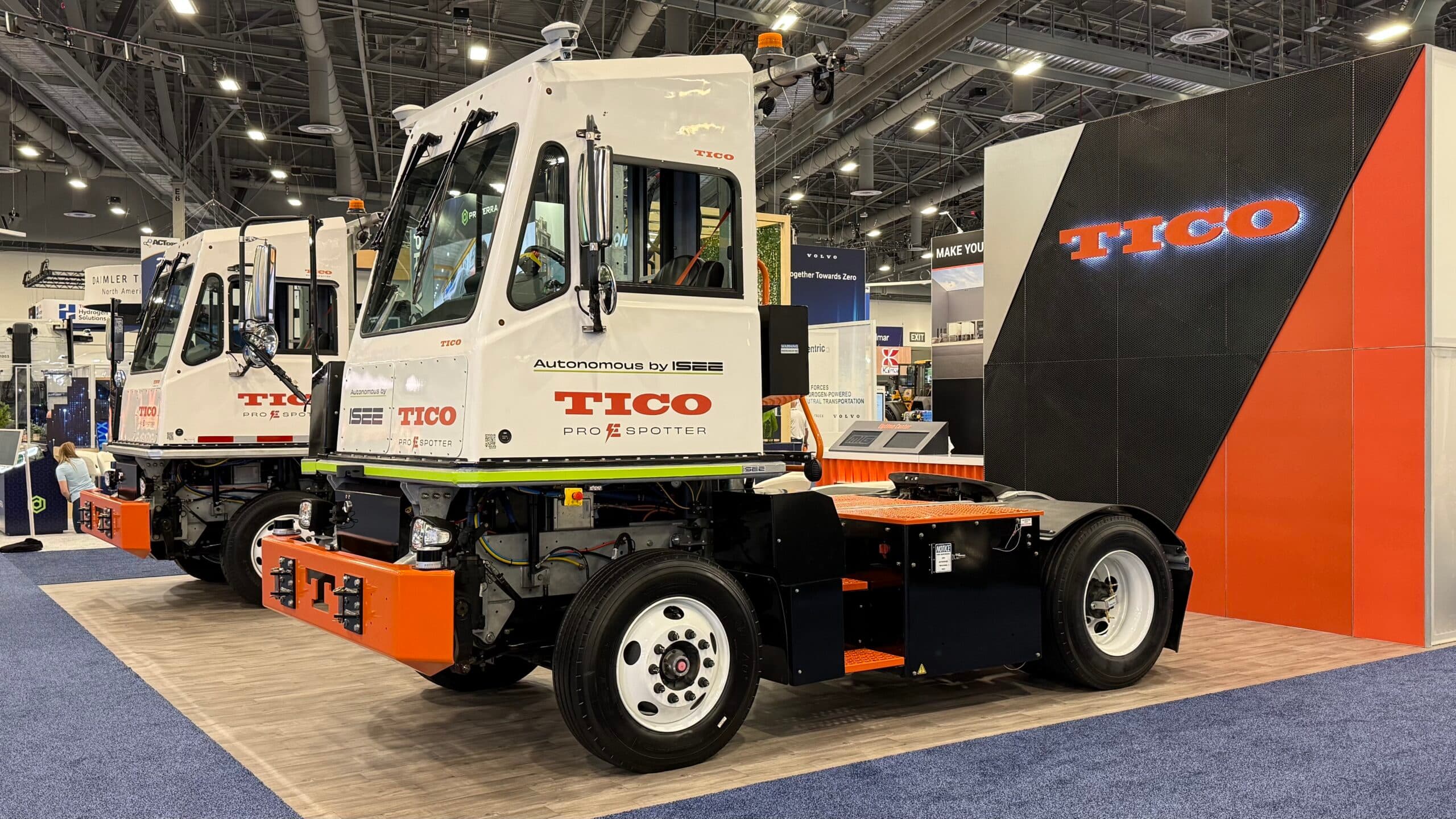
The autonomous trucking industry is shifting its focus from long-haul highway operations to a more achievable near-term goal: automating work within private yards and distribution centers. According to FreightWaves, companies like ISEE AI and TICO are leading this pivot, recognizing that controlled yard environments present fewer regulatory and technical obstacles than open-road autonomy. For Austin-area logistics and manufacturing operations, this development could mean faster adoption of self-driving equipment than previously anticipated.
ISEE AI and TICO have announced targets to bring autonomous yard tractors into production by 2027, a timeline that hinges on advancing their Gen-7 autonomous systems and establishing comprehensive safety cases. These milestones represent critical regulatory approval steps that would unlock commercial deployment. The closed-loop nature of yard operations—operating within defined, private property boundaries—allows these companies to pursue safety certifications more efficiently than those attempting full-scale highway autonomy.
Industry momentum appears substantial, with hundreds of truck orders potentially on the horizon once regulatory frameworks are finalized. This volume suggests that customers across the supply chain are preparing to integrate autonomous yard equipment into their operations. For Texas businesses managing large warehouse and distribution networks, the timeline indicates meaningful automation investments may become viable within the next three years.
The shift toward yard automation reflects a pragmatic industry strategy: perfect autonomous technology in controlled environments before expanding to more complex scenarios. This approach could position early adopters—particularly large logistics providers and manufacturers in the Austin region—to gain competitive advantages through reduced operational costs and improved yard efficiency.