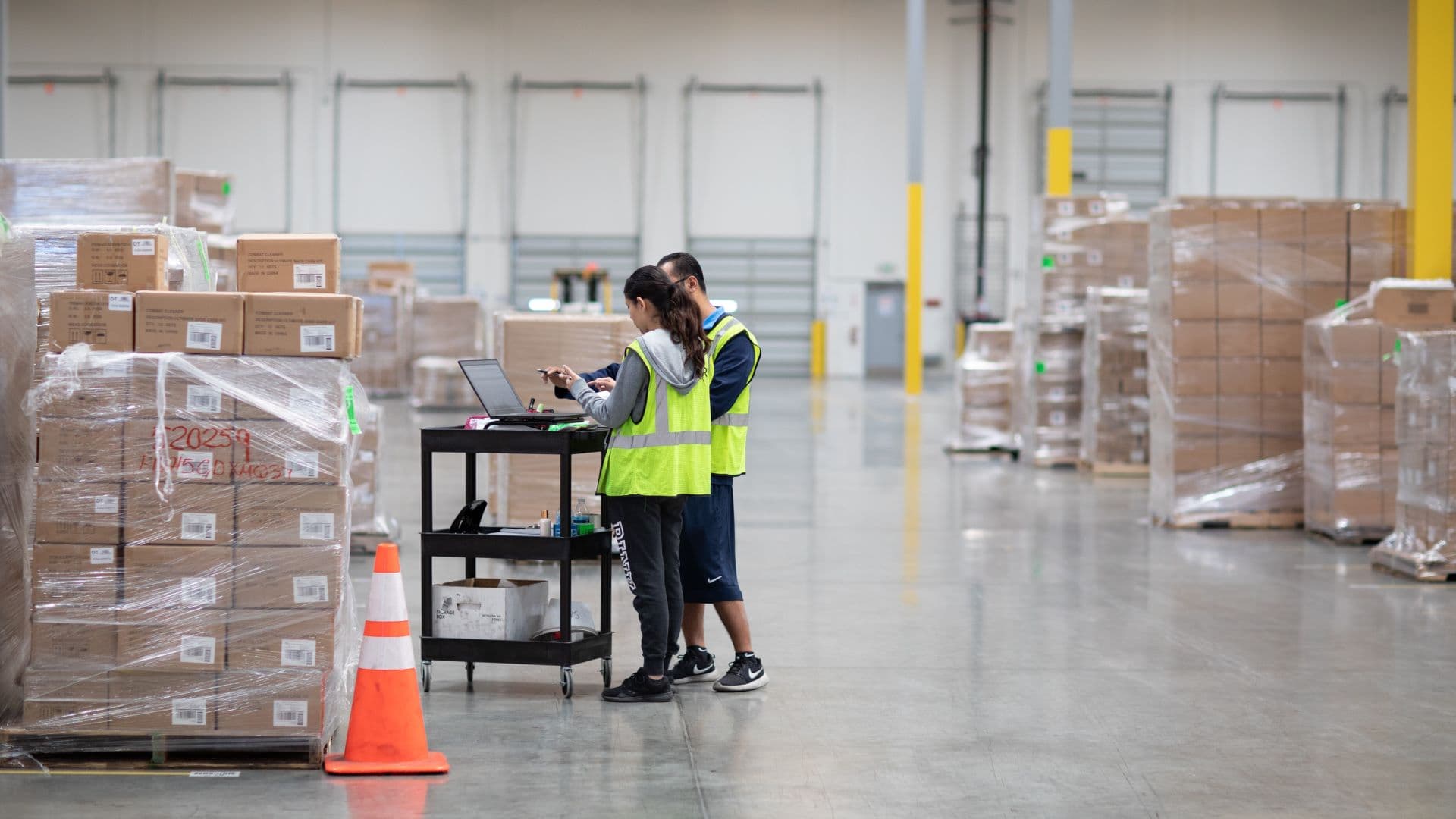
Photo via FreightWaves
China's manufacturing sector is showing signs of weakness, according to FreightWaves. The country's purchasing managers index (PMI) dropped to 50.0% in May—a level that represents the dividing line between expansion and contraction. When a PMI sits at or below 50, it typically indicates that manufacturing activity is stalling or shrinking, a metric closely watched by economists and business leaders globally.
For Austin companies reliant on imported goods or components from Chinese manufacturers, this slowdown carries real implications. The technology sector, which dominates Austin's economy, depends heavily on semiconductor components and electronics sourced from or manufactured in China. A contraction in Chinese manufacturing could create delays, increase sourcing costs, or force local companies to accelerate diversification strategies.
The significance of China's manufacturing weakness extends beyond direct importers. Austin's logistics and transportation sectors could face reduced cargo volumes if Chinese exports decline further. Freight rates and shipping demand may soften, affecting local logistics firms and distribution centers that move goods throughout Texas and beyond.
Business leaders in Austin should monitor this trend closely as it unfolds over the coming months. A sustained contraction in Chinese manufacturing could reshape supply chain strategies and prompt companies to evaluate sourcing decisions, inventory management, and contingency planning. Now is an opportune time for local enterprises to assess their exposure to Chinese production cycles and build resilience into their operations.