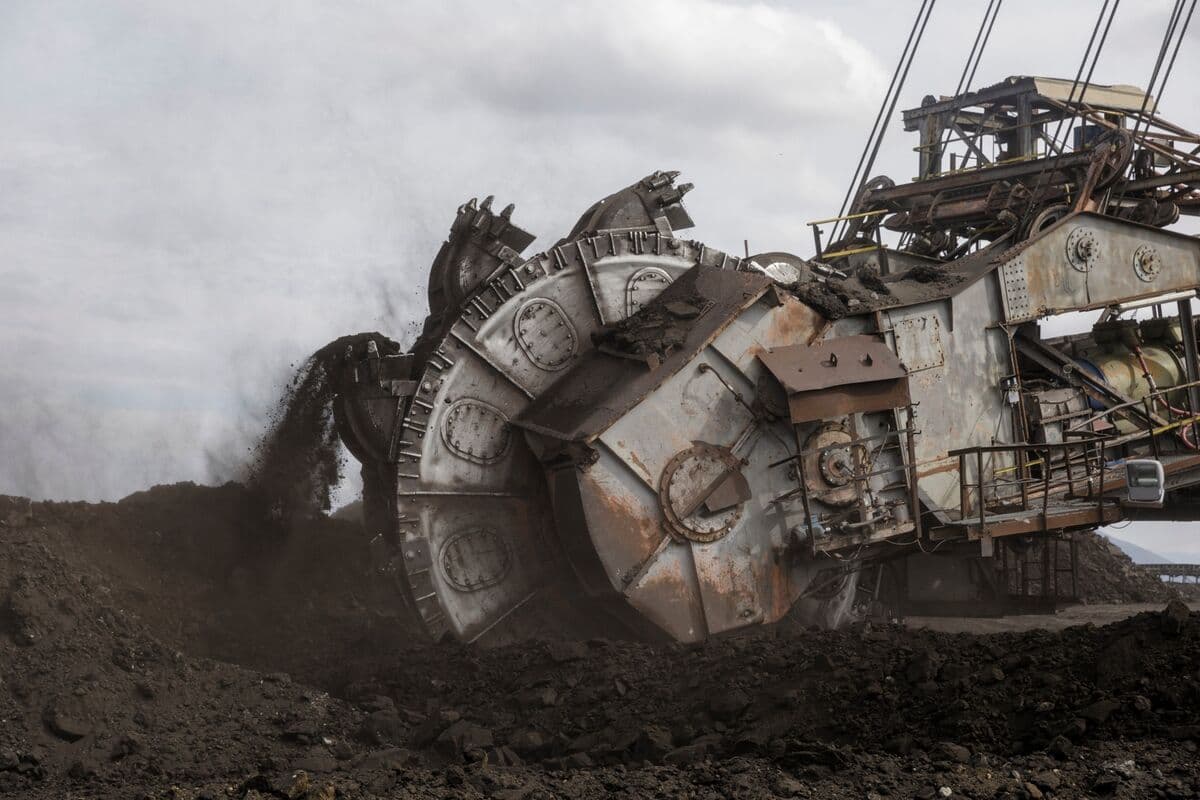
Photo via Bloomberg Markets
China has established a new state investment vehicle designed to orchestrate its international metals and mining operations, according to Bloomberg Markets. The move underscores Beijing's effort to maintain access to critical minerals and metals amid rising geopolitical tensions that threaten supply chains worldwide. This restructuring could have ripple effects across global commodity markets and industries dependent on metals sourcing.
The initiative reflects growing concerns in Beijing about resource security as trade relationships become increasingly fraught. By centralizing coordination of overseas mining investments, China aims to strengthen its negotiating position and reduce vulnerabilities in securing the raw materials essential for its manufacturing base and technology sectors. This consolidation strategy mirrors moves by other major economies to safeguard access to strategic resources.
For Austin-area businesses, particularly those in advanced manufacturing, semiconductor support services, and energy sectors, China's resource strategy carries implications for global supply chain stability and commodity pricing. Companies reliant on metals and rare earth elements should monitor how this centralized Chinese approach may affect availability and costs of critical materials over the coming years.
The broader trend highlights how geopolitical competition is reshaping global commerce and supply chains. American businesses and policymakers are increasingly focused on securing domestic and allied sources for critical materials, a shift that could create both challenges and opportunities for companies positioned to participate in alternative supply networks or localized production strategies.