Photo via Bloomberg Markets
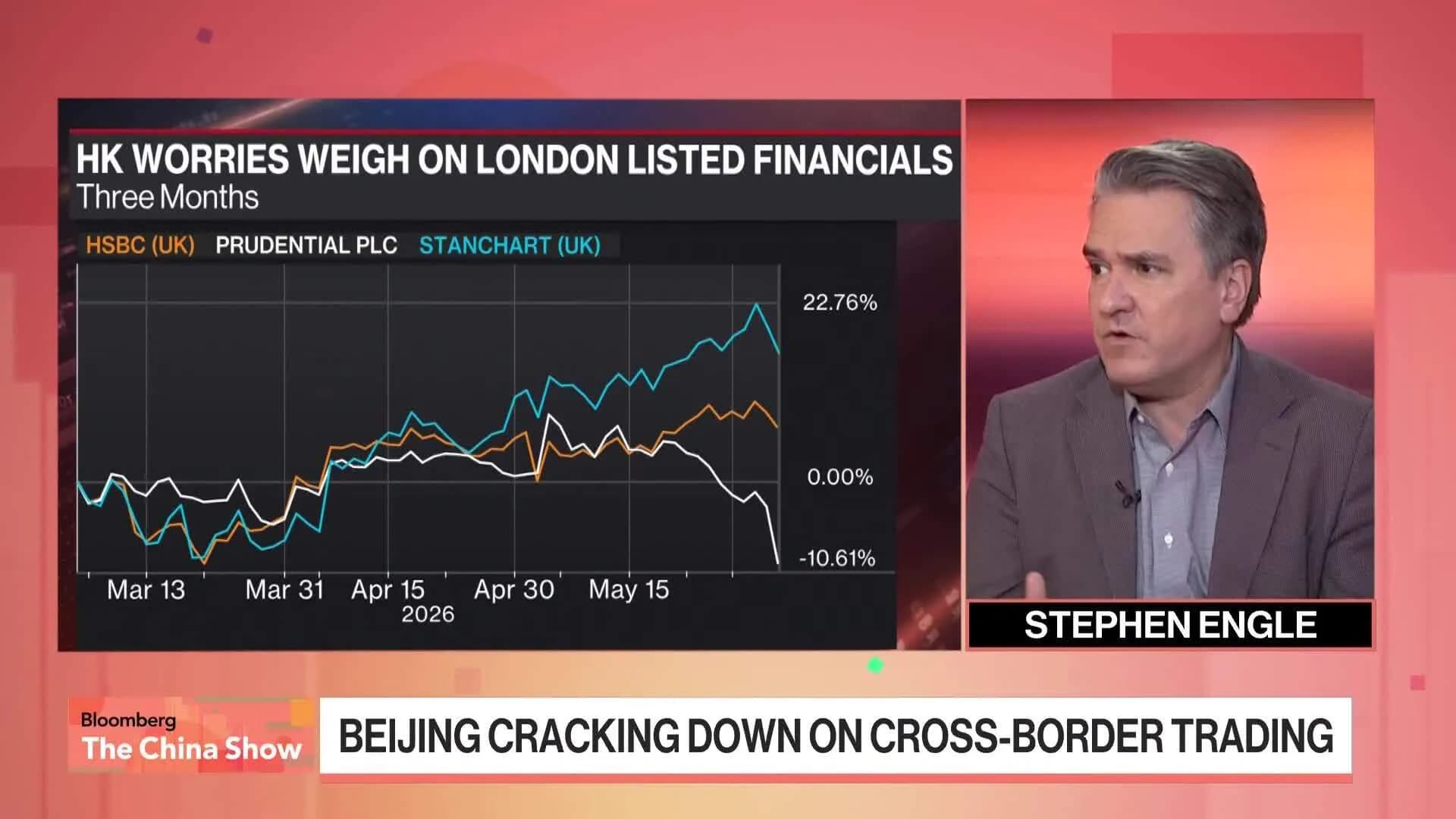
Major financial institutions with significant Hong Kong operations faced market headwinds this week following reports that some banks have begun restricting new account openings for mainland China clients seeking to move capital overseas. According to Bloomberg Markets, the policy shift has already impacted share prices for major players in the region, signaling investor concern about the long-term implications for cross-border wealth management.
The restrictions appear targeted at accounts specifically designed to facilitate overseas investments by mainland Chinese clients—a lucrative business segment for Hong Kong's financial sector. This development underscores the increasing regulatory scrutiny around capital flows between mainland China and international markets, a trend that has been building over recent years as authorities seek tighter controls over outbound investments.
For Austin-area investors and business leaders with exposure to Asian markets or international portfolio diversification strategies, this shift reinforces the importance of understanding regulatory landscapes in key financial hubs. Hong Kong's role as a bridge between mainland Chinese capital and global investment opportunities has long been central to international wealth management and cross-border transactions.
The full impact of these banking restrictions remains uncertain, but the immediate market reaction suggests investors are reassessing the stability and accessibility of Hong Kong's financial services sector. As regulations continue to evolve, financial professionals advising clients on international investments may need to reconsider traditional wealth management structures and explore alternative pathways for cross-border capital deployment.