Photo via FreightWaves
The trucking industry's regulatory landscape is creating unintended consequences for fleet operators across Texas. According to FreightWaves, as enforcement efforts have intensified on traditional long-haul trucking operations, some marginal operators have shifted their business models rather than exiting the market entirely. This migration toward less-regulated segments poses questions about safety and compliance standards in the broader freight ecosystem.
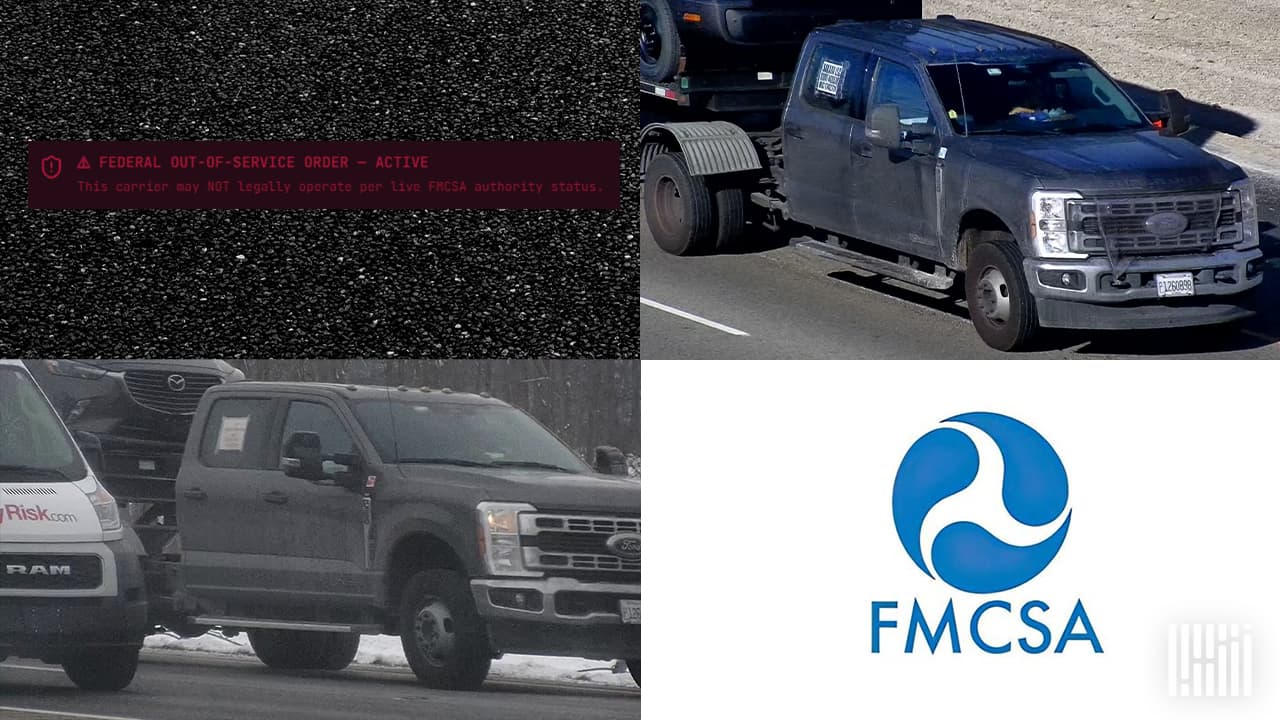
Hotshot trucking and auto transport operations have become attractive alternatives for operators seeking to minimize regulatory burden. These smaller-rig segments typically operate under lighter inspection regimes and carry lower insurance requirements than their long-haul counterparts. The reduced operational costs create a competitive advantage, but they also establish a potential enforcement gap that regulators and industry stakeholders should monitor.
For Austin-area logistics companies and shippers, this shift carries practical implications. As more carriers operate in these less-scrutinized segments, supply chain managers may encounter operators with varying compliance standards. Businesses relying on freight services should evaluate carrier credentials carefully, particularly when working with newer or smaller fleet operators in the hotshot and specialty transport sectors.
The emergence of what FreightWaves describes as 'ghost fleets' underscores a broader industry challenge: ensuring safety and accountability across all segments of commercial trucking. Stakeholders in Austin's growing logistics sector—from warehouse operators to manufacturing firms—should stay informed about regulatory trends and consider partnering with established carriers that maintain high compliance standards regardless of market pressures.