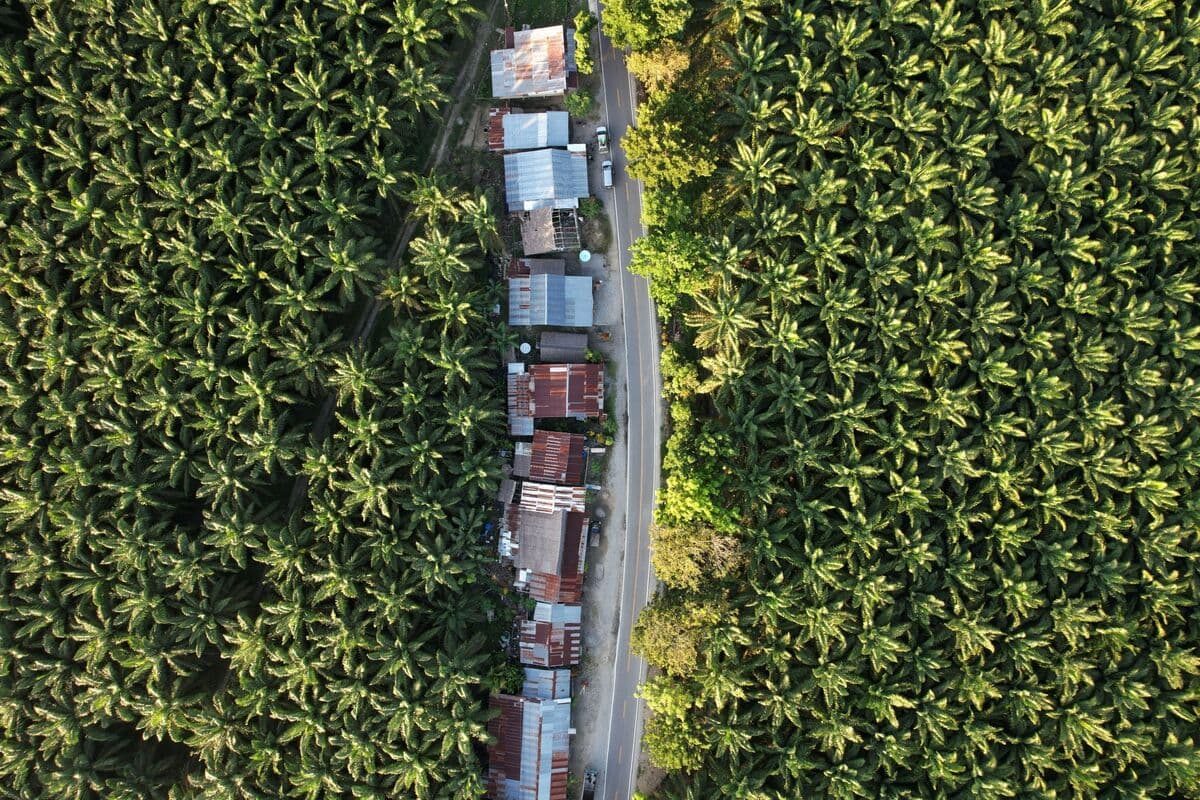
Photo via Bloomberg Markets
Indonesia has formalized its overhaul of export regulations for key commodities, implementing stricter controls on palm oil products, coal, and ferronickel shipments. According to Bloomberg Markets, the newly released guidelines will affect the majority of Indonesia's palm oil exports alongside significant coal and ferronickel products. This regulatory shift represents a major restructuring of how one of the world's largest commodity exporters manages its international trade.
For Austin-area businesses, particularly those in food processing, consumer goods manufacturing, and energy sectors, these changes warrant close attention. Palm oil is a ubiquitous ingredient in countless food and cosmetic products distributed through U.S. supply chains. Any constraints on Indonesian exports could create pricing pressures and sourcing challenges for companies relying on stable, affordable access to this commodity.
The export controls signal Indonesia's intent to manage its natural resources more strategically while potentially boosting domestic value-added production. By regulating raw commodity exports, the Southeast Asian nation aims to encourage more processing and manufacturing within its borders rather than shipping unrefined materials. This strategy mirrors approaches taken by other resource-rich nations seeking to capture greater economic value from their natural wealth.
Austin-based importers, distributors, and manufacturers should monitor how these regulations evolve and consider diversifying supplier relationships or adjusting inventory strategies. Supply chain professionals may need to engage commodity brokers and logistics partners to navigate potential shifts in availability, pricing, and delivery timelines for palm oil and coal-dependent products over the coming months.