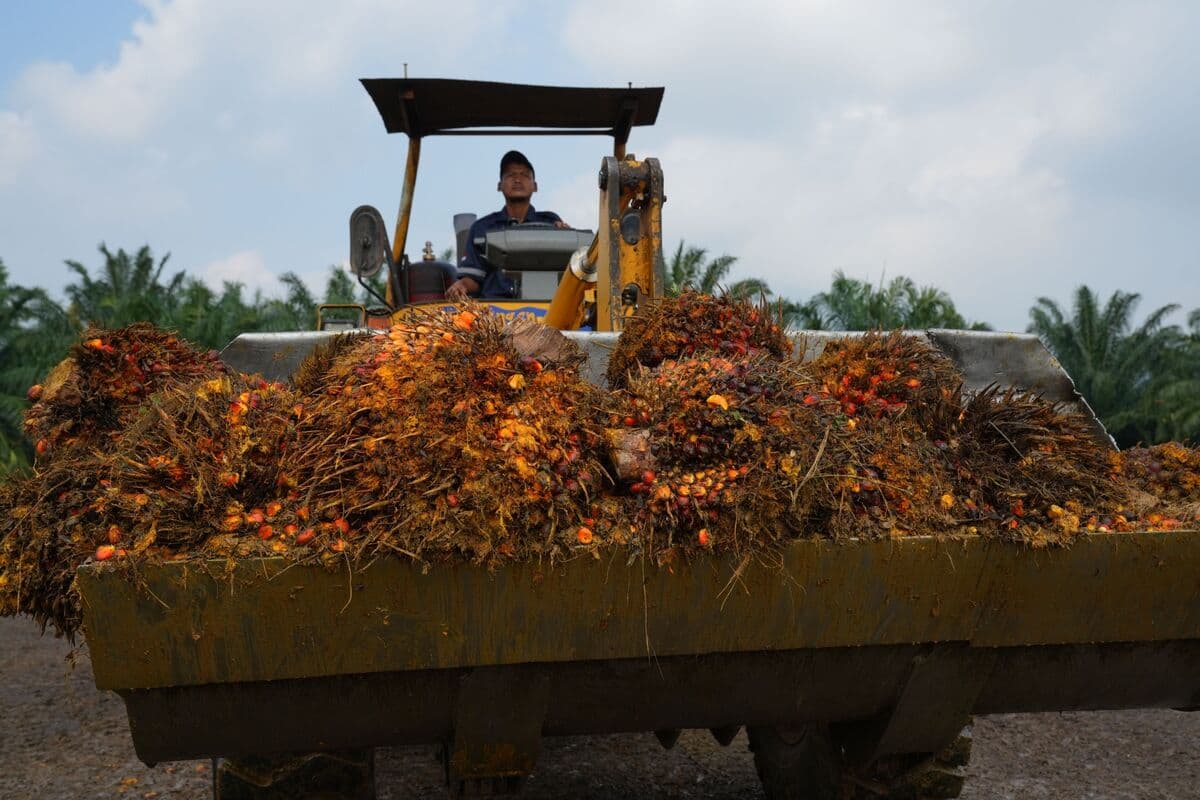
Photo via Bloomberg Markets
Indonesia, Southeast Asia's largest economy, is implementing significant changes to its commodity export policies, but the rollout is creating confusion in global markets. According to Bloomberg Markets, traders are hesitant to move forward with shipments amid unclear regulations, signaling potential disruption to established trade patterns that many Austin businesses depend on.
The uncertainty stems from ambiguous rules surrounding which commodities fall under the new restrictions and how enforcement will be handled. For Austin-based companies involved in import-export operations, manufacturing supply chains, or commodities trading, this Indonesian policy shift could affect sourcing costs, delivery timelines, and inventory planning over the coming months.
The timing of these regulatory changes coincides with broader economic pressures on Indonesia's economy, as traders hold shipments rather than risk non-compliance with poorly defined requirements. This hesitation is adding strain to regional commerce and creating a wait-and-see environment that complicates business planning for international firms.
Companies with exposure to Indonesian commodities—whether in energy, agricultural products, or minerals—should monitor developments closely and consider diversifying sourcing strategies or adjusting forecasts. As clarity emerges around enforcement and specific product categories, market participants will likely adjust their operations accordingly.