Photo via FreightWaves
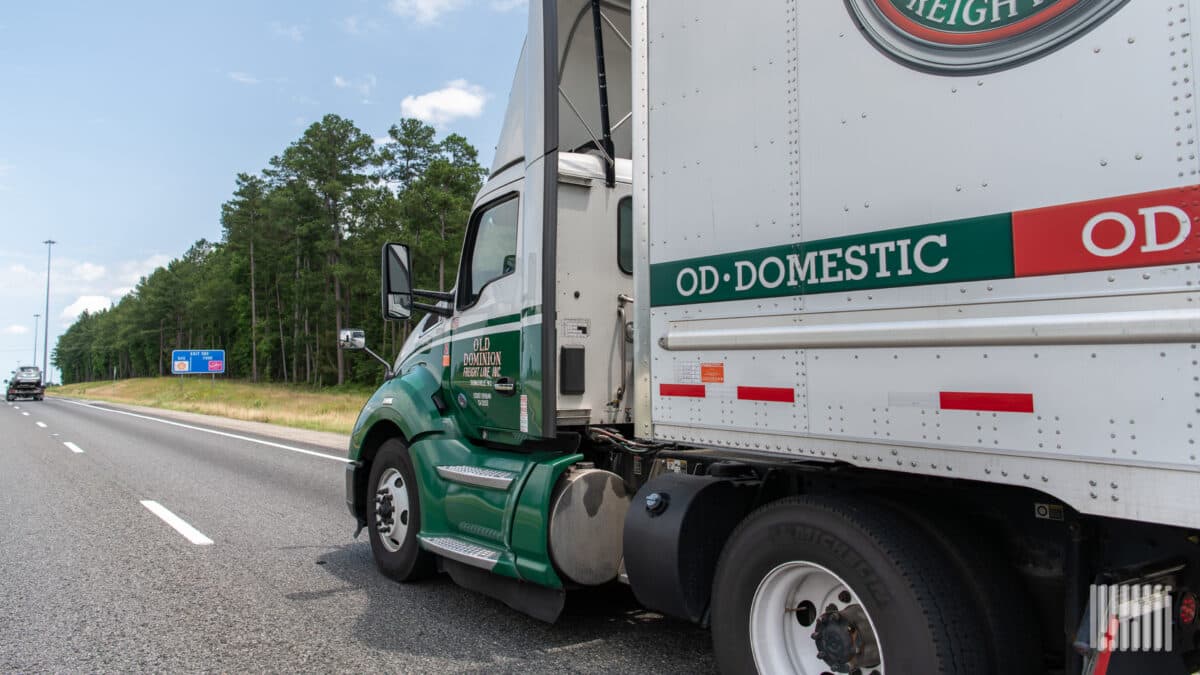
The freight industry's extended slump that characterized 2023 and 2024 has officially reversed course, signaling a potential inflection point for supply chain-dependent businesses across Texas. According to recent analysis, industrial production has emerged as the primary engine of this recovery, marking a departure from earlier cycles driven by consumer demand or inventory adjustments. This shift carries significant implications for Austin-area manufacturers, distribution centers, and logistics providers that have weathered months of reduced shipping volumes and pricing pressure.
May's economic data from the Institute for Supply Management and the Logistics Managers' Index provide concrete evidence of this turnaround. The metrics show manufacturing activity gaining momentum, which translates directly into increased freight demand across trucking, rail, and intermodal networks. For Austin businesses operating in advanced manufacturing, semiconductor-adjacent industries, or food and beverage production, this recovery suggests a potential uptick in transportation costs and service availability as supply chain capacity tightens.
The distinction between demand drivers matters for local business planning. Unlike consumer-led recoveries that can be volatile, industrial production cycles tend to sustain longer, creating more predictable conditions for logistics infrastructure investment and workforce planning. Austin's position as a growing hub for tech manufacturing and industrial operations positions the region favorably to benefit from sustained industrial demand, though businesses should prepare for potential rate increases as carriers gain pricing leverage.
For Austin executives managing supply chains or considering logistics expansion, this manufacturing rebound warrants close monitoring of freight rates, carrier capacity, and regional distribution network investments. Companies that adapted operations during the downturn may face timing decisions about scaling back up and repositioning inventory closer to customers as freight becomes a more significant cost factor in the coming months.