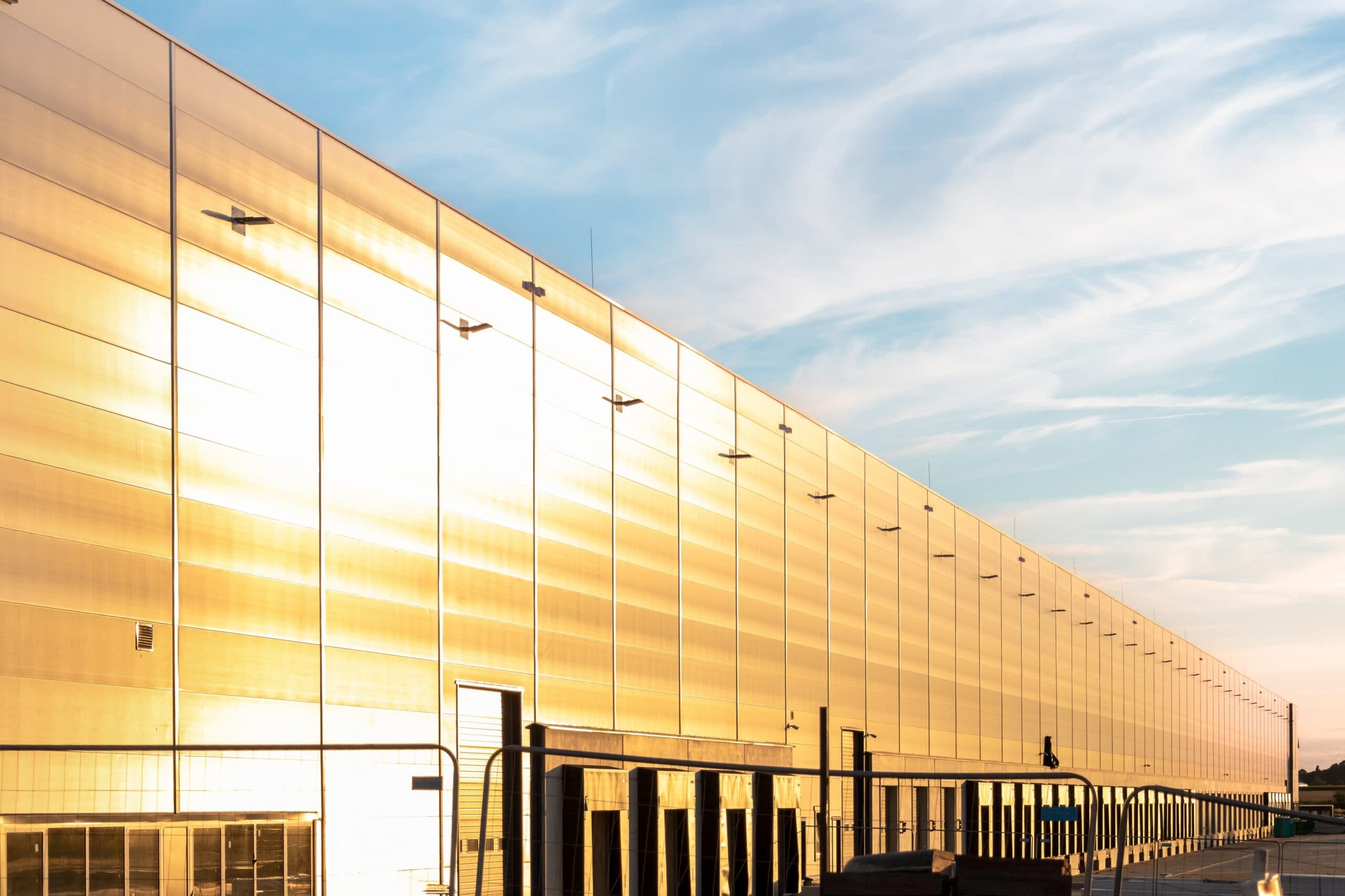
Photo via FreightWaves
The industrial real estate market is experiencing a notable shift after years of oversupply. According to FreightWaves reporting, national availability is declining for the first time since 2021, signaling a fundamental change in market dynamics that could reshape operations for Austin's robust logistics and fulfillment sector.
New construction starts have hit 10-year lows, a dramatic pullback from the pandemic-era building boom that flooded markets with excess capacity. This contraction suggests that developers are taking a more cautious approach to industrial development, potentially limiting future supply and tightening conditions further across regions including Texas.
Link Logistics identifies this environment as favorable for well-positioned infill portfolios—strategically located properties that fill gaps in existing networks rather than requiring greenfield development. For Austin-area last-mile operators and owner-operators, this means existing facilities near major distribution hubs and population centers become increasingly valuable assets.
The tightening market creates both challenges and opportunities for logistics companies in the Austin region. While competition for limited industrial space may intensify, established operators with optimized facility portfolios stand to benefit from improved asset valuations and reduced pressure from new competing infrastructure entering their markets.