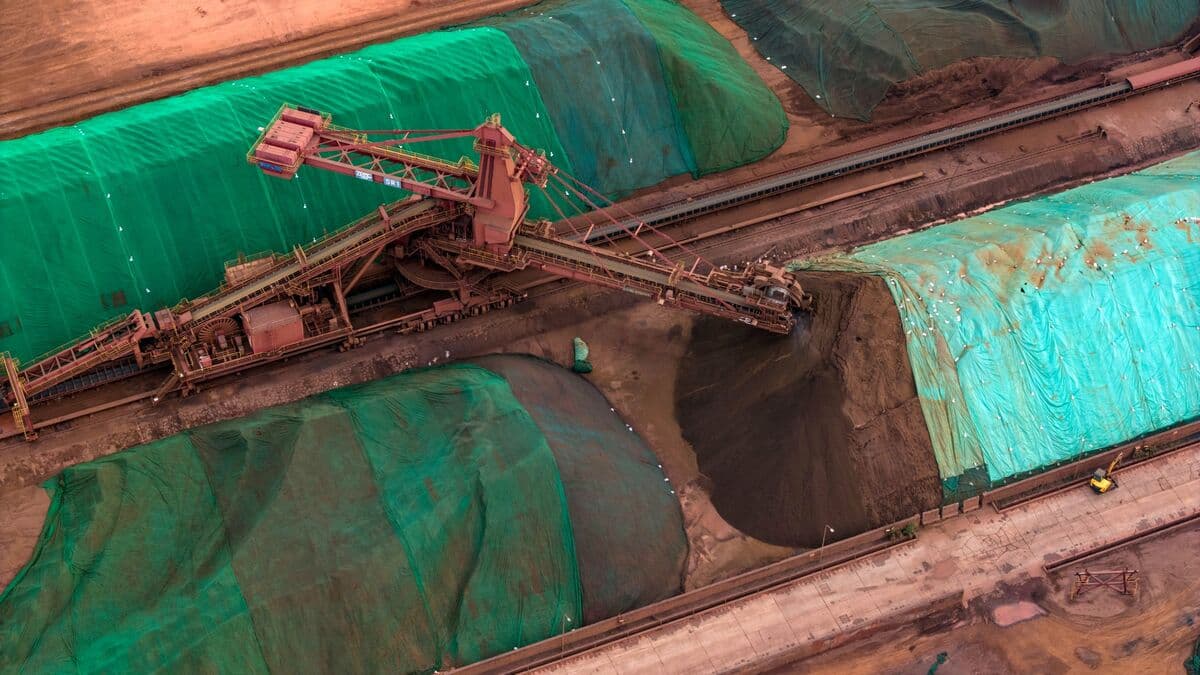
Photo via Bloomberg Markets
Iron ore prices are experiencing their fourth consecutive weekly decline, driven by predictable seasonal patterns in China's construction and manufacturing sectors. According to Bloomberg Markets, the downturn reflects typical summer lulls in Chinese demand rather than structural market weakness, though the timing underscores the cyclical nature of commodity markets that many Austin-area businesses rely on for planning purposes.
Chinese steel mills traditionally reduce production during summer months due to lower construction activity and infrastructure spending pauses. This seasonal pattern has become increasingly predictable for market watchers, though it creates uncertainty for companies dependent on global supply chains and commodity prices. The weakness comes as Australian iron ore producers are expected to increase shipments, potentially adding further pressure on already-declining prices.
For Austin's logistics and manufacturing sectors, softer commodity prices can present both opportunities and challenges. Lower input costs for metal-intensive manufacturing could improve margins for local producers, while companies with commodity-hedging strategies may face margin compression. Supply chain managers should monitor these price movements closely as they negotiate contracts and plan inventory levels for the coming months.
The broader implication of this market trend reflects global economic conditions heading into the latter half of the year. Austin businesses with exposure to construction materials, heavy equipment, or international trade should consider how weakening commodity demand might signal broader shifts in global spending patterns. Tracking these early signals can help local companies adjust forecasts and capital expenditure plans accordingly.