Photo via FreightWaves
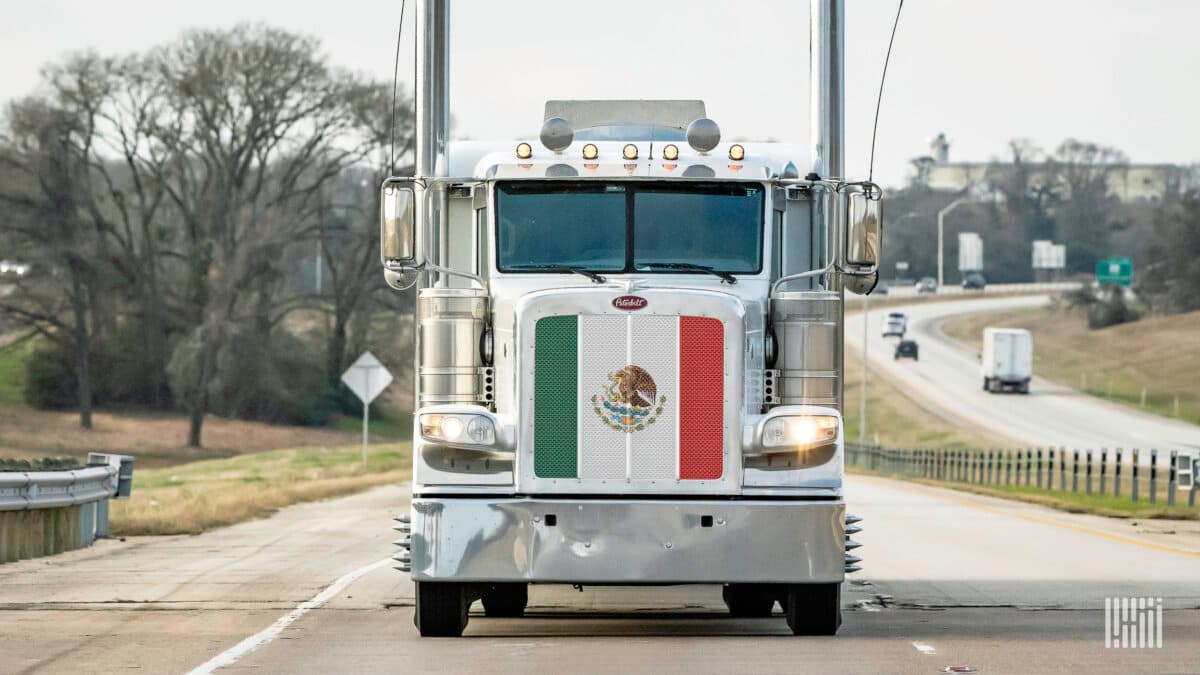
A significant enforcement action targeting Mexican truckers has resulted in thousands of visa revocations, according to FreightWaves. The crackdown centers on cabotage violations—instances where Mexican carriers illegally transported cargo between two US domestic points, a practice prohibited under US transportation law. The scale of the enforcement action signals stricter compliance monitoring at the US-Mexico border, which could have ripple effects for Austin-area companies reliant on cross-border freight movement.
For Austin's logistics and supply chain sectors, the visa revocations represent a potential workforce constraint in an industry already managing driver shortages and operational challenges. Many regional manufacturers, distribution centers, and e-commerce fulfillment operations depend on Mexican trucking partnerships for efficient border crossings and last-mile delivery. The loss of experienced drivers may increase transportation costs or create bottlenecks in cross-border commerce.
The timing coincides with ongoing US-Mexico trade discussions, including the completion of the first round of USMCA talks between both nations. These negotiations could influence future cross-border transportation policies and visa regulations. Austin businesses engaged in international trade should monitor how these discussions shape cabotage enforcement and trucker access to US markets in coming months.
Industry observers and Austin freight stakeholders should prepare for potential supply chain adjustments. Companies may need to reassess transportation partnerships, timeline expectations for border crossings, and contingency plans for international logistics. Understanding the regulatory landscape and maintaining compliant cross-border relationships will be critical for maintaining operational efficiency.