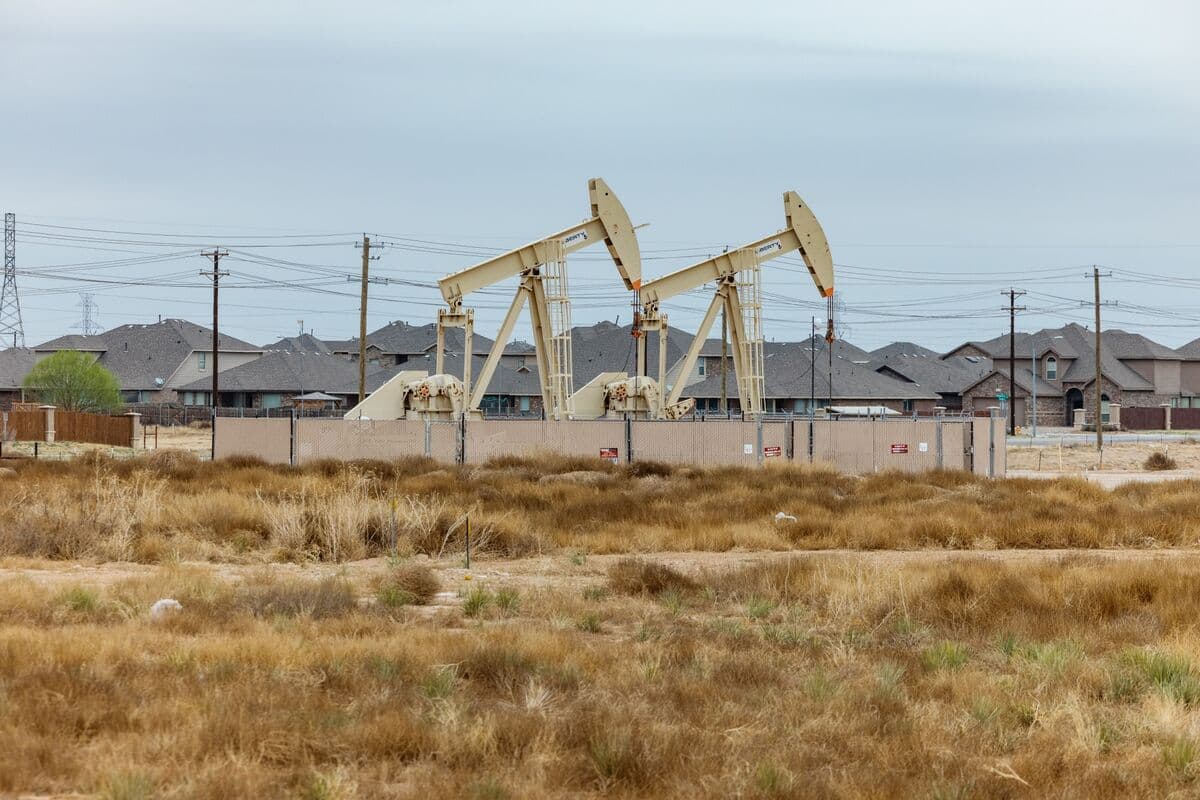
Photo via Bloomberg Markets
Crude oil prices retreated this week after Israel and Lebanon announced a tentative ceasefire agreement, contingent on Hezbollah's commitment to halt hostilities. According to Bloomberg Markets, the deal marks a significant development in regional tensions that have kept energy markets volatile for months. The agreement signals potential de-escalation in a conflict that has created uncertainty around global oil supplies.
For Austin's energy sector and oil-dependent industries, the price decline could provide some relief. Lower crude costs typically translate to reduced fuel expenses for transportation and logistics companies operating in Central Texas, as well as potentially lower energy bills for manufacturing and industrial operations. However, businesses that have benefited from elevated energy prices may see margin pressure if the ceasefire holds and prices continue to decline.
The geopolitical risk premium that has bolstered oil prices over the past months appears to be loosening as diplomatic solutions gain traction. Analysts note that successful implementation of the ceasefire could further ease energy market tensions, though the agreement remains conditional and subject to verification from all parties involved. This uncertainty means Austin business leaders should monitor developments closely before making long-term energy procurement decisions.
The broader implication for Austin's business community is increased price stability in energy markets, which could support planning for 2025. Companies in energy-intensive sectors—from data centers to advanced manufacturing—may benefit from more predictable fuel costs. However, the situation remains fluid, and additional developments in Middle East negotiations could shift market dynamics again.