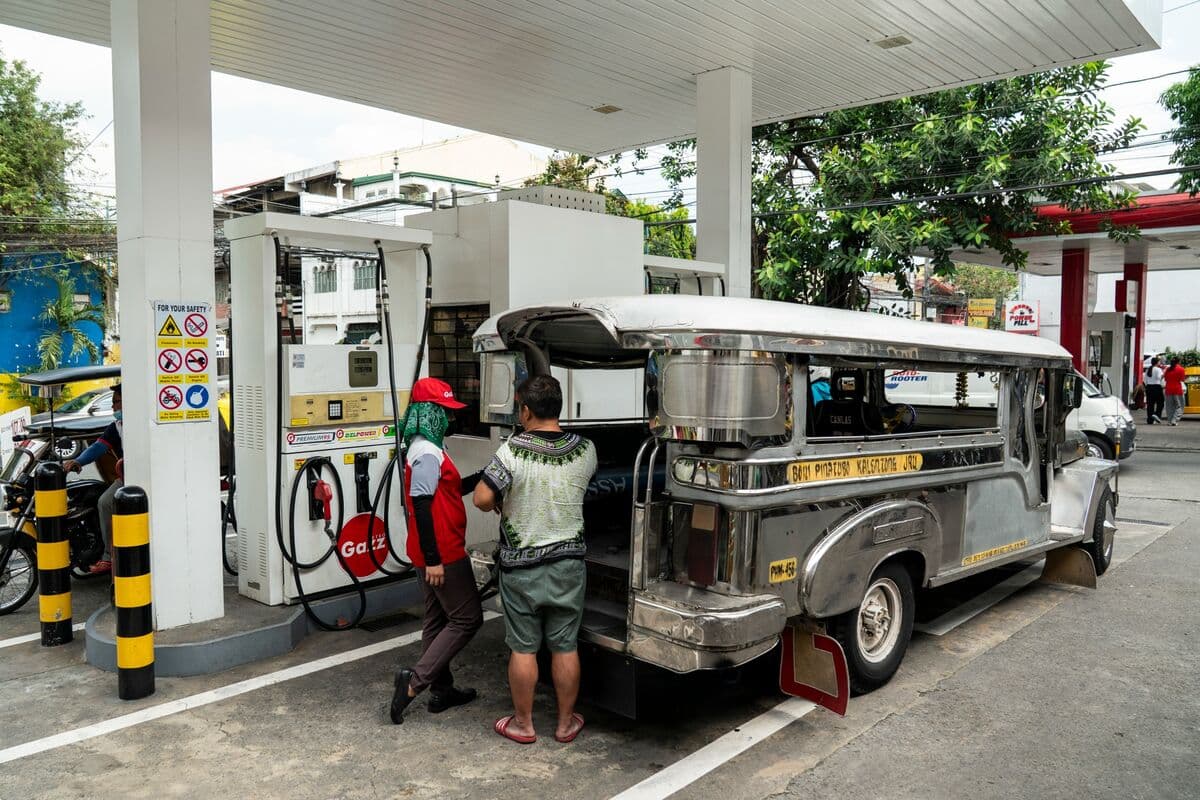
Photo via Bloomberg Markets
The Philippine economy showed signs of cooling inflation in May as transportation costs—a major driver of price pressures—began to ease, according to Bloomberg Markets. The development comes as geopolitical tensions that had pushed fuel prices higher start to stabilize, offering some relief to businesses dependent on reliable shipping and logistics networks.
For Austin-area companies with supply chain exposure to Southeast Asian markets, the news signals potential relief from the elevated shipping and transport premiums that have plagued businesses since earlier in the year. Many local importers and e-commerce firms that source products from the Philippines or use Philippine ports as regional hubs have felt the pinch of rising logistics costs, making this inflationary slowdown relevant to Central Texas operations.
The decline in transportation costs is particularly significant because it suggests that energy markets and freight pricing—two interconnected variables that ripple through global commerce—may be stabilizing after months of uncertainty. Austin's growing tech and logistics sectors, which increasingly rely on international supply chains and just-in-time delivery models, stand to benefit from more predictable cost structures in critical Asian markets.
As inflation moderates in key trading partners, Austin businesses should monitor whether these international trends translate to lower operating costs domestically. The relationship between Philippine economic conditions and American supply chains underscores how global market dynamics directly impact local business profitability and pricing power.