Photo via FreightWaves
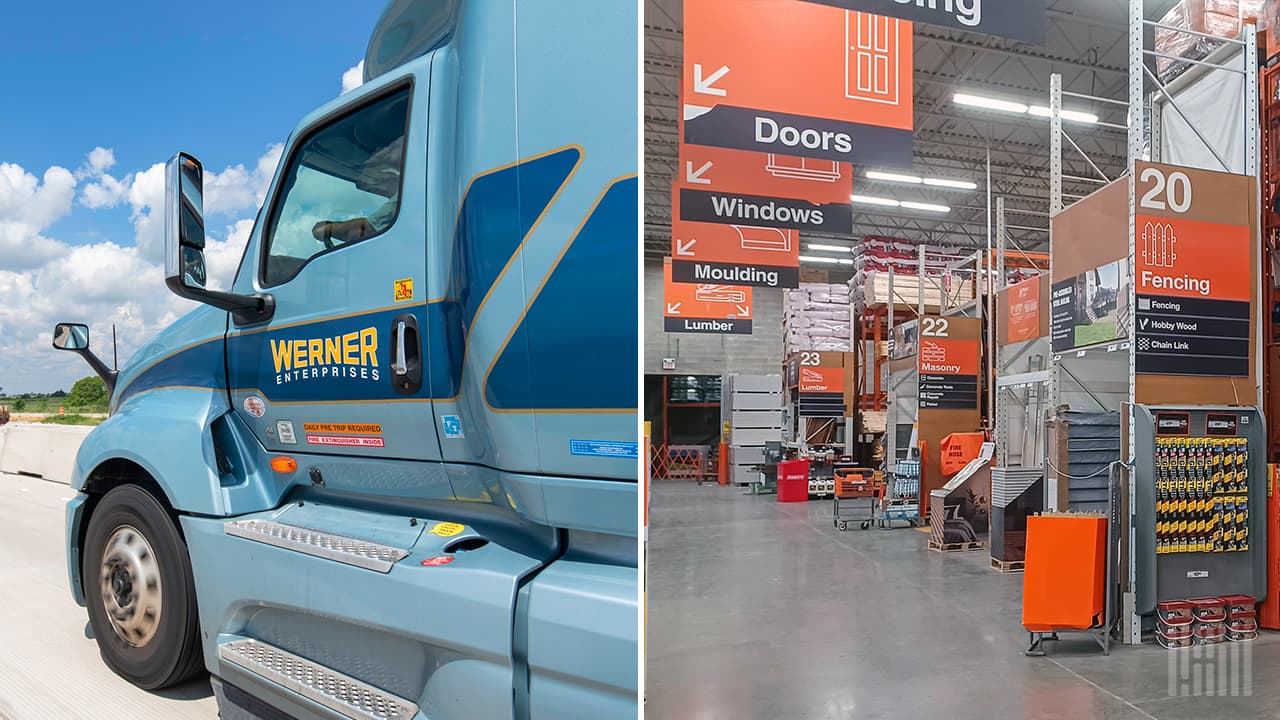
In a significant development for the logistics and retail sectors, the Texas Supreme Court has ruled against expanding shipper liability in a closely watched case involving major retailer Home Depot and trucking company Werner Enterprises. According to FreightWaves, the decision effectively constrains the scope of liability that shippers can face in Texas, potentially affecting how companies structure their transportation and supply chain agreements.
The ruling comes amid growing industry debate about where liability should rest in shipping arrangements. For Austin-area retailers and logistics providers—including Home Depot's significant operations in Texas—the decision provides clarity on contractual obligations and risk allocation in freight transportation. This legal framework is particularly relevant as the region continues to develop its supply chain and distribution infrastructure.
The Texas Supreme Court's decision suggests a more traditional interpretation of shipper liability, favoring clearer contractual boundaries between shippers and carriers. This approach may influence how logistics companies in Austin and across Texas structure their agreements with clients, potentially reducing uncertainty in contract negotiations and dispute resolution.
For Austin business leaders in retail, logistics, and related industries, the ruling underscores the importance of well-drafted transportation contracts that clearly delineate responsibility. As Texas remains a major hub for distribution and e-commerce operations, this legal precedent may shape competitive dynamics and operational practices for years to come.