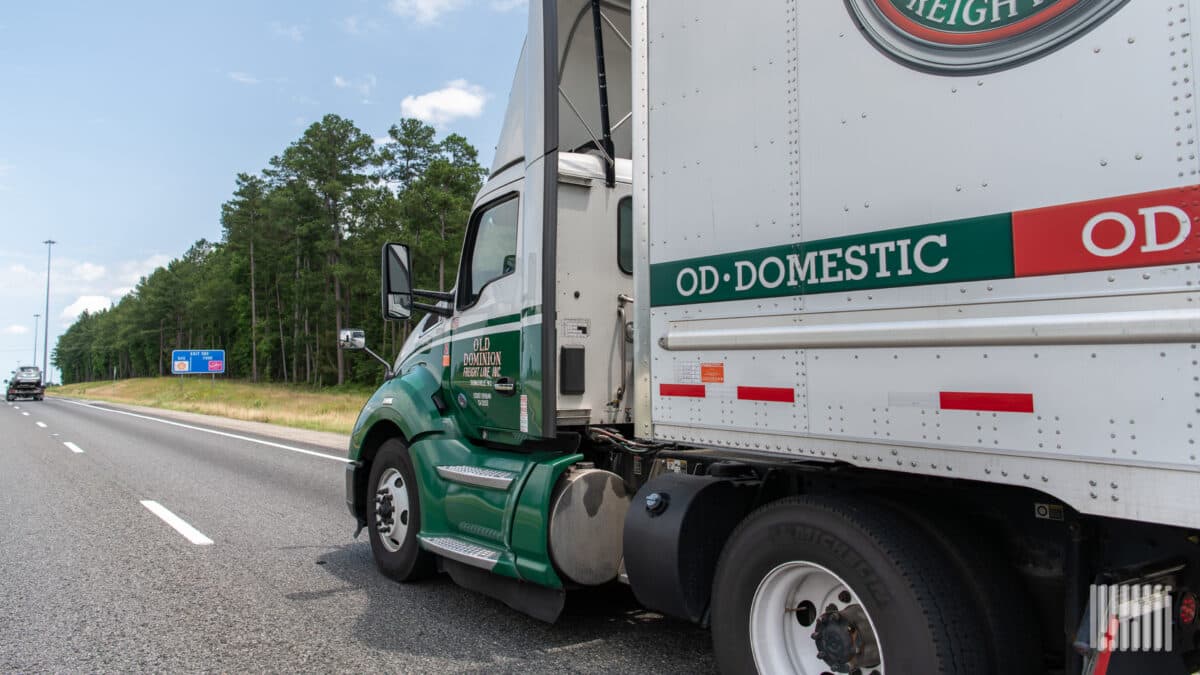
Photo via FreightWaves
C.H. Robinson, one of the nation's largest freight brokers, has begun notifying carriers that they no longer meet company standards based on safety performance metrics. According to FreightWaves, the company is sending notices titled 'Changes to carrier eligibility' to operators whose safety scores exceed intervention thresholds in C.H. Robinson's internal scoring model.
The timing of these removals is notable. The policy shift appears to follow a recent Supreme Court decision that may have altered the legal landscape surrounding freight brokerage liability and carrier vetting practices. Industry observers suggest the high court ruling may have prompted major brokers to strengthen their carrier qualification processes to limit exposure.
For Austin-area logistics companies and owner-operators who work with C.H. Robinson, these changes underscore the importance of maintaining rigorous safety records and compliance standards. Carriers working in the Texas market should review their safety metrics and ensure they align with major broker expectations, as similar policies could spread across the industry.
The move reflects a broader trend toward heightened accountability in freight transportation. As regulatory pressures and legal considerations mount, major logistics players are becoming more selective about their carrier networks, potentially raising operational standards across the sector.