Photo via FreightWaves
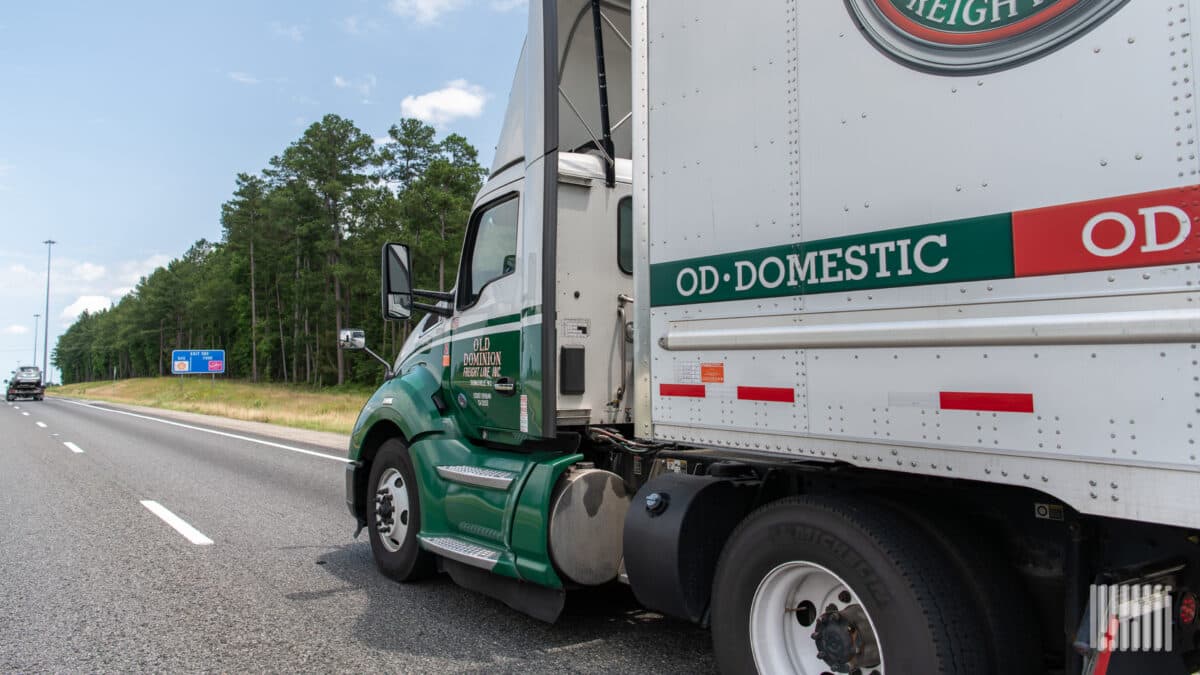
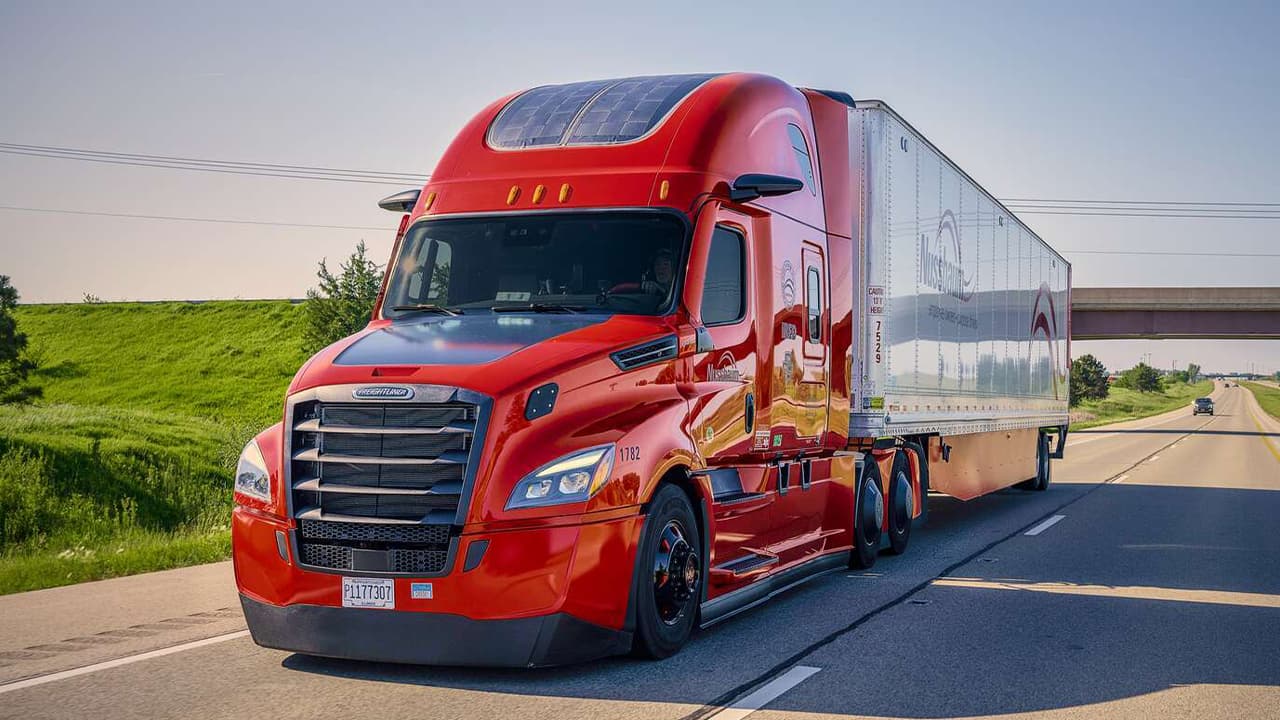
The trucking industry is entering a new phase of wage competition as carriers actively recruit drivers amid tight labor conditions. According to FreightWaves, carrier Nussbaum's recent announcement of driver pay increases signals broader market pressures reshaping compensation across the sector. While some carriers are making splashy public announcements, others are quietly adjusting their pay structures to remain competitive.
For Austin's thriving logistics and distribution hub, this trend carries direct implications. The region hosts major distribution centers and logistics operations that depend on reliable driver availability. As wages rise across the industry, local carriers and companies relying on freight services may face increased operational costs, potentially affecting supply chain efficiency and pricing.
The shift reflects a fundamental supply-demand imbalance in professional driving talent. With many experienced drivers aging out of the workforce and younger workers gravitating toward other industries, carriers are forced to improve compensation packages to attract and retain quality personnel. This competition benefits drivers but puts pressure on transportation companies to balance labor costs with profitability.
Austin-area businesses should monitor these industry trends closely, particularly companies in retail, e-commerce, and manufacturing that depend on efficient freight movement. Rising driver wages could eventually be passed along through higher shipping costs, making it important for local business leaders to understand how broader logistics market dynamics may affect their bottom lines.