Photo via FreightWaves
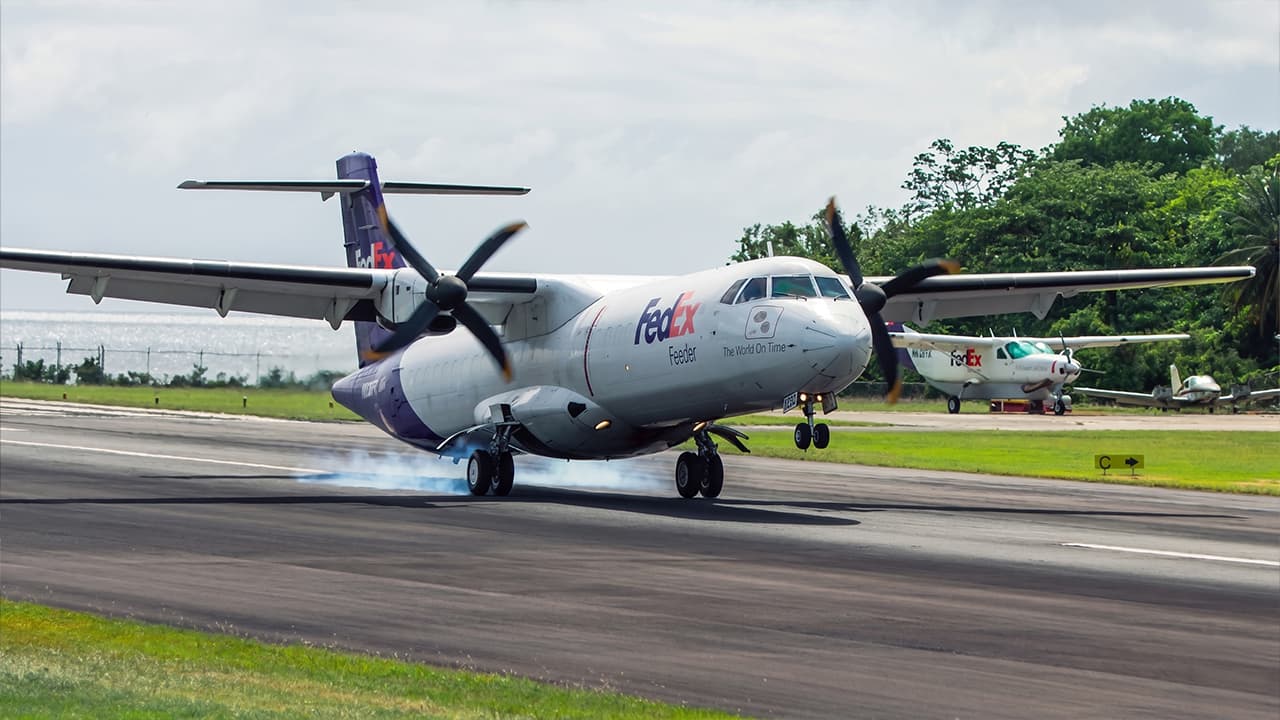
According to FreightWaves, a FedEx partner airline is facing operational constraints that could disrupt cargo service to the Caribbean region. The carrier wants to deploy larger, more efficient aircraft on these routes but is hampered by existing Federal Aviation Administration regulations that limit how far commercial planes can operate over open water.
The regulatory requirements governing extended operations over ocean routes were designed with safety in mind, but they're creating economic challenges for cargo operators seeking to optimize their fleets. The airline's inability to transition to bigger aircraft may force it to reduce service frequency or even abandon certain Caribbean markets entirely if it cannot secure an FAA waiver.
For Austin's business community, this issue carries indirect implications. Many logistics companies and e-commerce retailers headquartered or operating in Central Texas rely on FedEx's international cargo network to reach customers and suppliers throughout the Caribbean region. Service disruptions could affect supply chains and shipping capabilities.
The situation underscores a broader tension between aviation safety regulations and operational flexibility in the cargo industry. As airlines seek to improve efficiency and reduce costs in a competitive freight market, regulatory modernization—particularly around aging rules governing water operations—may become increasingly important to maintaining reliable international logistics networks.