Photo via FreightWaves
The heavy-duty electric vehicle landscape is undergoing a fundamental transformation driven by evolving regulatory requirements and grid capacity constraints. According to FreightWaves, fleet operators and infrastructure providers are rethinking their approach to charging networks, moving beyond traditional utility-dependent models toward more resilient, on-site power generation. This shift reflects broader challenges in deploying charging infrastructure at scale while managing demand on already-strained electrical grids.
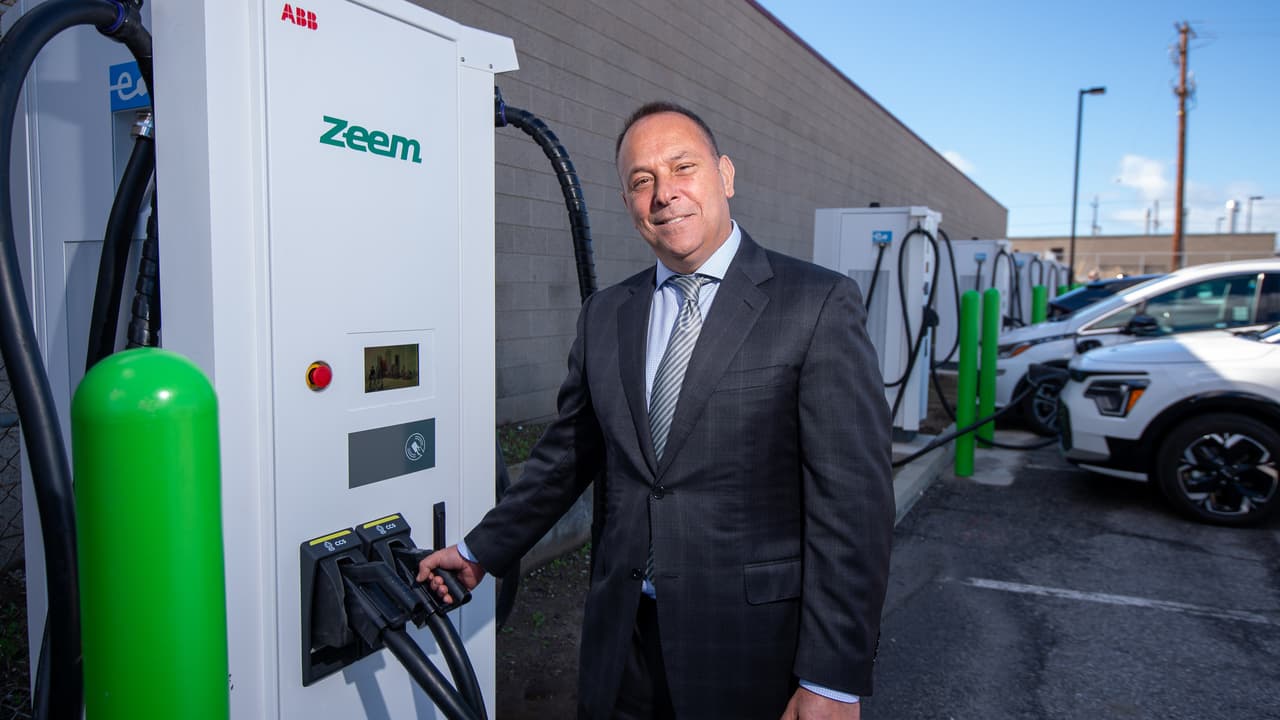
Zeem Solutions CEO Paul Gioupis has become a key voice in discussing the practical implications of these changes, emphasizing that vehicle performance and infrastructure readiness must develop in tandem. Rather than waiting for grid expansion, forward-thinking fleet operators are exploring distributed energy solutions—including solar, battery storage, and microgrid technology—to power their electric heavy-duty fleets independently. For Austin logistics companies, this represents both a challenge and an opportunity to leapfrog traditional infrastructure limitations.
The economics have shifted significantly as regulatory mandates tighten emissions standards and push accelerated EV adoption timelines. Fleets that previously depended on public charging networks now face the calculus of building proprietary infrastructure, which can reduce operational uncertainty but requires substantial upfront capital investment. Texas-based logistics operators are particularly well-positioned to leverage on-site renewable energy, given the state's abundant solar resources and competitive renewable energy market.
Grid integration remains a critical variable in this equation. Infrastructure providers must balance the peaks and valleys of fleet charging demand while contributing positively to grid stability rather than straining it further. Companies navigating this transition are increasingly treating charging infrastructure as a strategic asset rather than a utility cost, opening doors for partnerships between fleets, energy providers, and technology firms across Central Texas.