Photo via FreightWaves
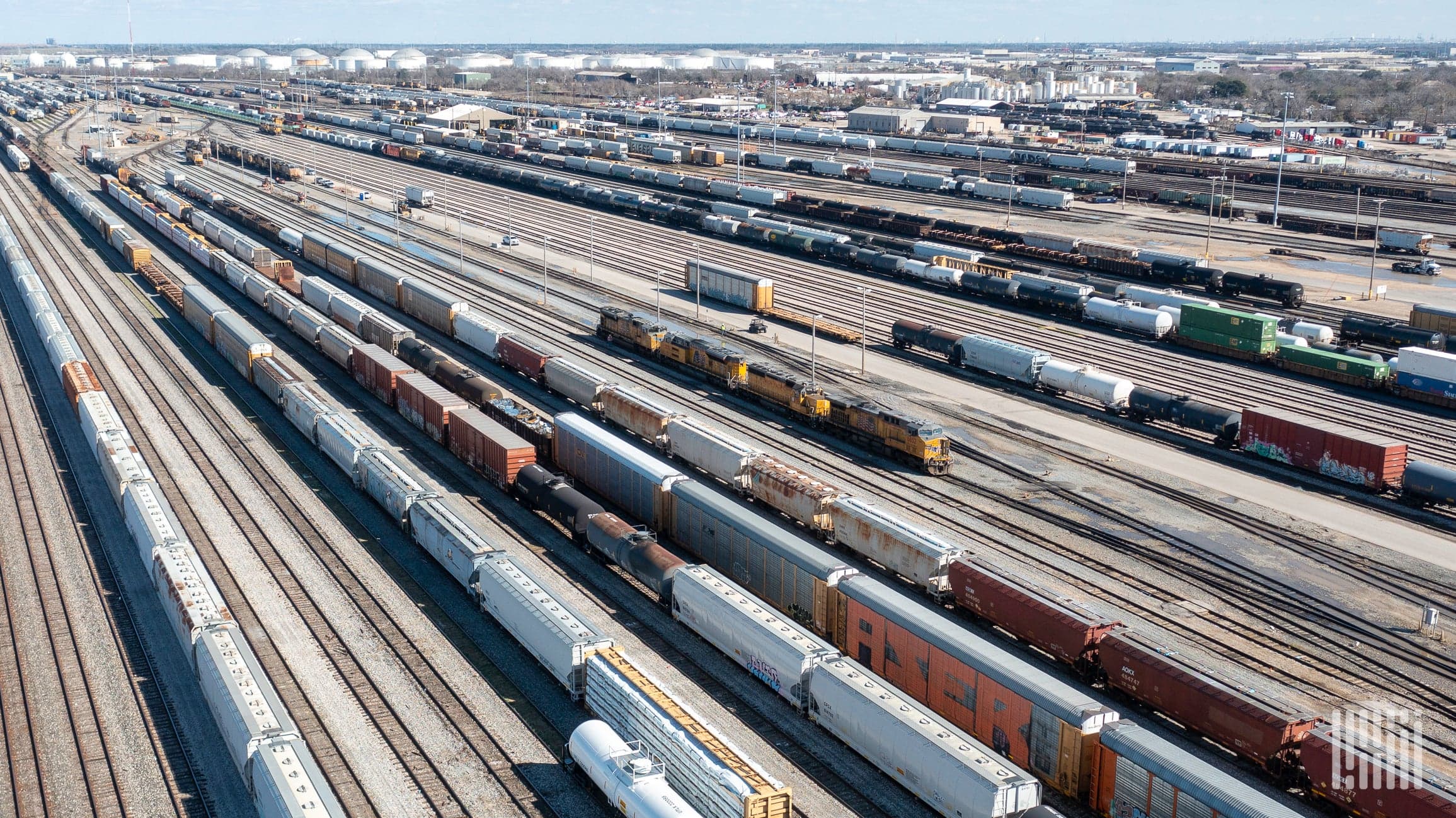
According to FreightWaves, U.S. railroads are experiencing notable momentum in freight movement, with intermodal traffic—the combination of rail and trucking services—leading growth in this sector. The surge reflects broader improvements in industrial output across the nation and suggests shippers are increasingly adopting multimodal transportation strategies to optimize efficiency and cost.
Intermodal freight, which moves containers and trailers between rail and truck networks, offers significant advantages for businesses managing long-distance shipments. This transportation method has become increasingly attractive as companies seek to balance speed, cost, and environmental considerations in their supply chains. For Austin-area logistics providers and manufacturers relying on national distribution networks, these trends underscore the importance of having reliable intermodal partnerships.
The double-digit growth in this rail freight category reflects strengthening demand from industrial sectors recovering or expanding operations. As manufacturers and retailers rebuild inventory levels and consumer demand remains steady, the need for efficient freight movement continues to drive investment in multimodal capabilities.
For Austin business leaders in logistics, transportation, and manufacturing, these national trends present both strategic considerations and growth opportunities. Companies evaluating their supply chain infrastructure should monitor intermodal capacity and pricing as the sector evolves, particularly as regional hubs like Austin play an increasingly important role in connecting West Texas, Mexico, and national markets.