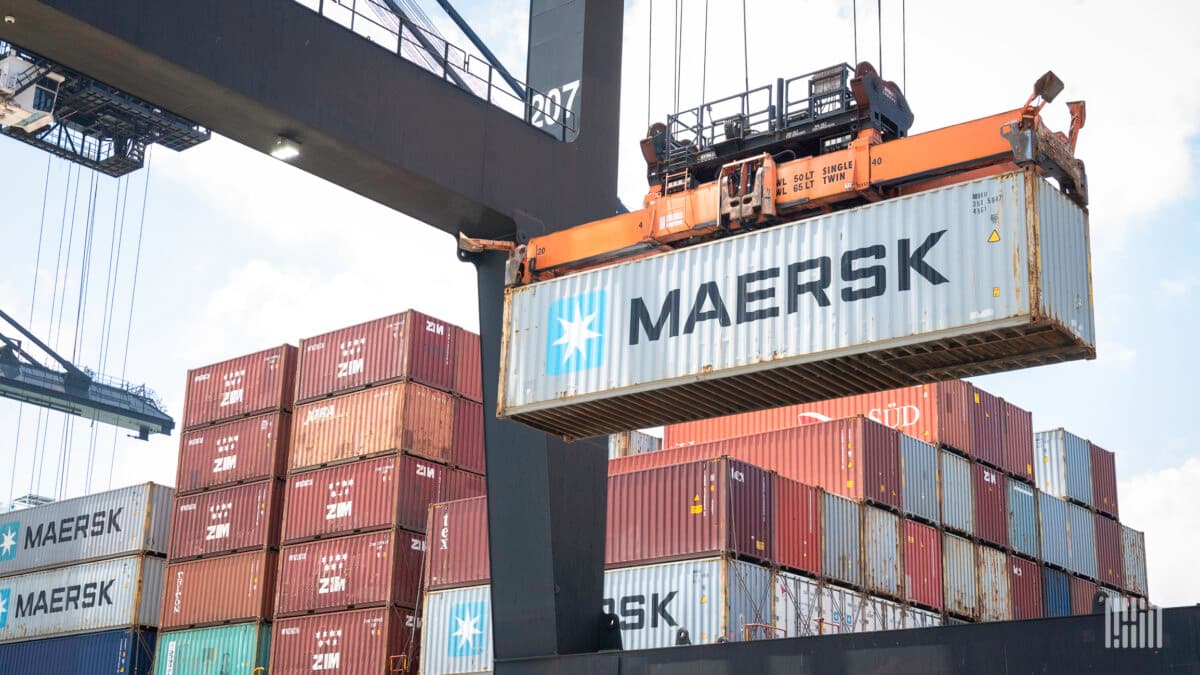
Photo via FreightWaves
According to FreightWaves, the Federal Maritime Commission has assessed a $1.9 million penalty against Maersk for improper detention billing practices. The fine addresses violations related to how the shipping company charged fees to parties who were not part of direct contractual agreements with Maersk.
Detention charges—fees levied when containers aren't returned within the agreed timeframe—are a standard practice in maritime logistics. However, the FMC's action signals stricter enforcement of billing practices, particularly when shippers and third-party logistics providers face unexpected charges they didn't authorize.
For Austin-area businesses relying on imported goods or maritime logistics, this ruling underscores the importance of reviewing detention policies and contract terms with major carriers. As e-commerce and manufacturing operations in Central Texas increasingly depend on reliable, transparent supply chain costs, regulatory clarity becomes essential for budget forecasting.
The penalty reflects broader FMC efforts to protect shippers from unfair billing practices and ensure competitive fairness in maritime commerce. Logistics professionals should review their carrier agreements to understand detention policies and dispute resolution procedures.