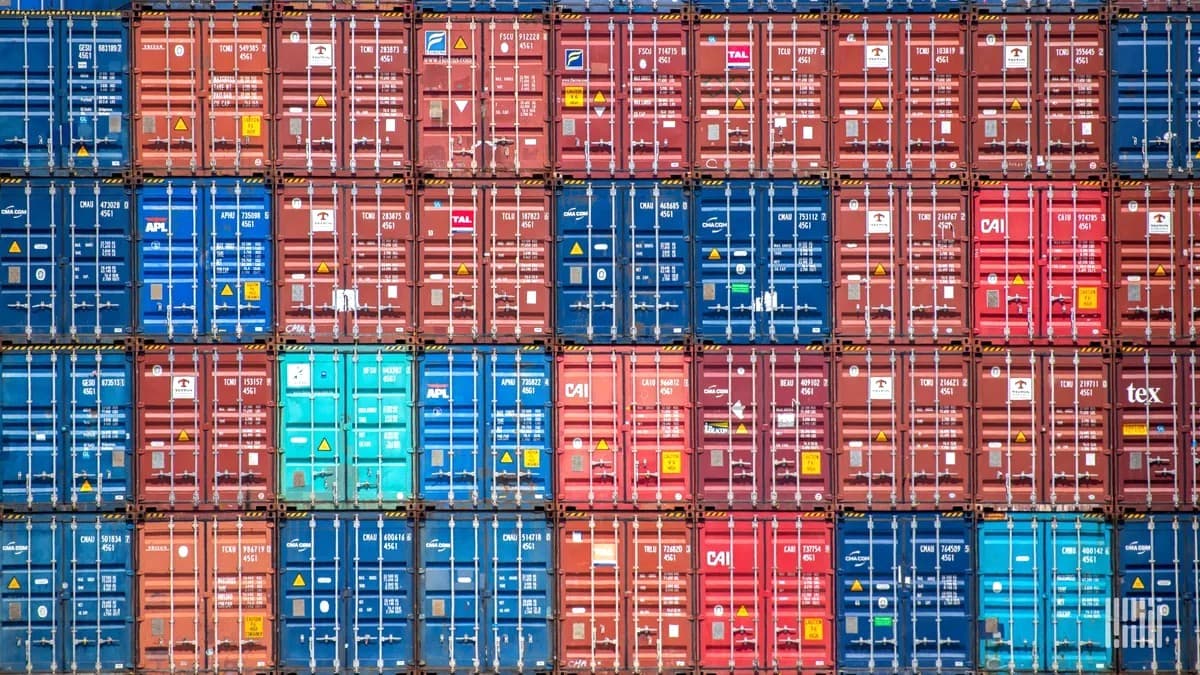
Photo via FreightWaves
Ocean container shipping rates are experiencing sharp increases as the peak shipping season intensifies. According to FreightWaves, benchmark rates climbed $1,000 in just one week, driven by a combination of rate hikes and additional surcharges being imposed by carriers. This rapid escalation signals tightening capacity in global shipping routes.
For Austin-area businesses dependent on imported goods—from technology components to retail inventory—these rate increases represent a significant cost pressure heading into the critical holiday season. Companies shipping products via ocean containers from Asia and Europe to the Port of Houston or other Gulf Coast terminals will feel the immediate impact on their supply chain budgets.
The surge reflects broader logistics market dynamics, where seasonal demand concentration on limited container availability creates pricing power for shipping lines. Industry observers expect further rate increases in the coming weeks as peak season demand continues, potentially compounding logistics costs through the end of the year.
Austin's growing e-commerce and technology sectors, which rely heavily on international imports, should monitor these developments closely. Supply chain managers may need to accelerate orders or explore alternative shipping options to mitigate exposure to continued rate volatility in the coming months.