Photo via FreightWaves
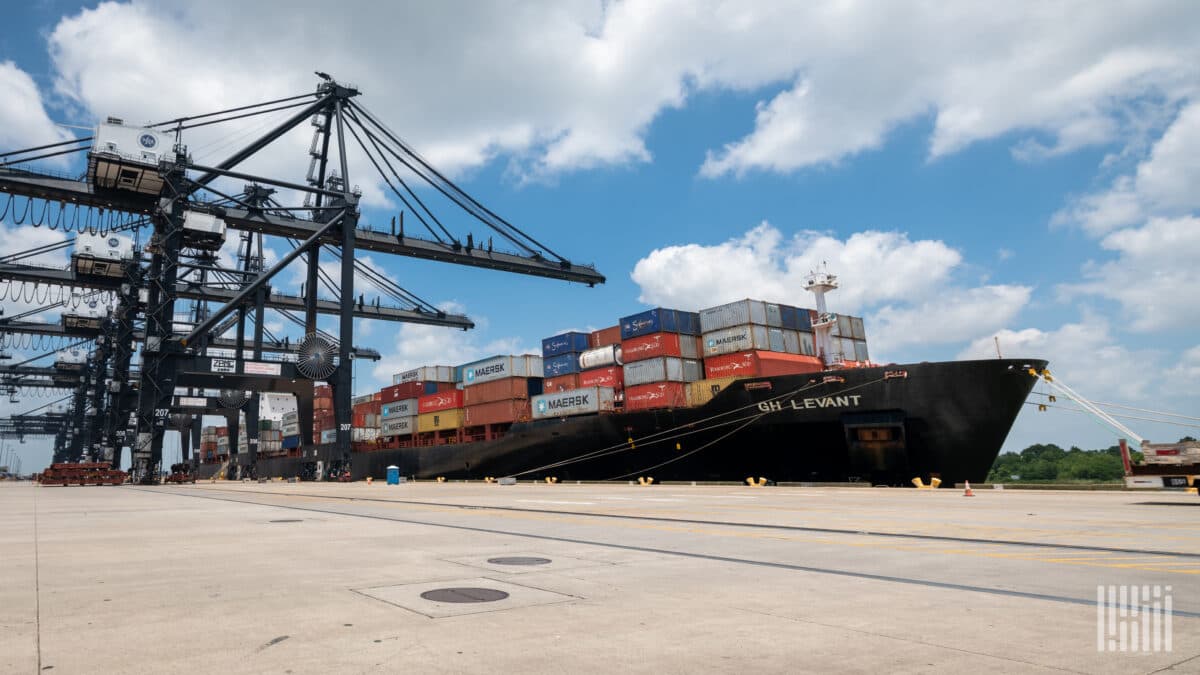
Ocean shipping rates are climbing as the industry heads into peak season, creating fresh headwinds for supply chain managers across Central Texas. According to FreightWaves, the combination of elevated costs and persistently slow transit times is expected to compound logistics challenges during the traditionally busy months ahead.
For Austin-area businesses that rely on imported goods—from retailers managing holiday inventory to manufacturers dependent on overseas components—the timing couldn't be more precarious. Peak season typically drives higher shipping demand, and when coupled with already-strained transit schedules, companies face compressed windows to secure inventory at predictable costs.
The pressure on ocean freight comes as many supply chains have only recently stabilized following years of pandemic-related disruptions. Importers and logistics providers in the Austin region are reassessing their shipping strategies and budgets to absorb what may be sustained elevated rates through the remainder of the year.
Business leaders should expect conversations with freight forwarders and logistics partners to intensify in coming weeks. Planning ahead, diversifying shipping lanes where possible, and building contingency time into supply chain timelines may help Austin companies navigate the tightening market before peak season fully arrives.