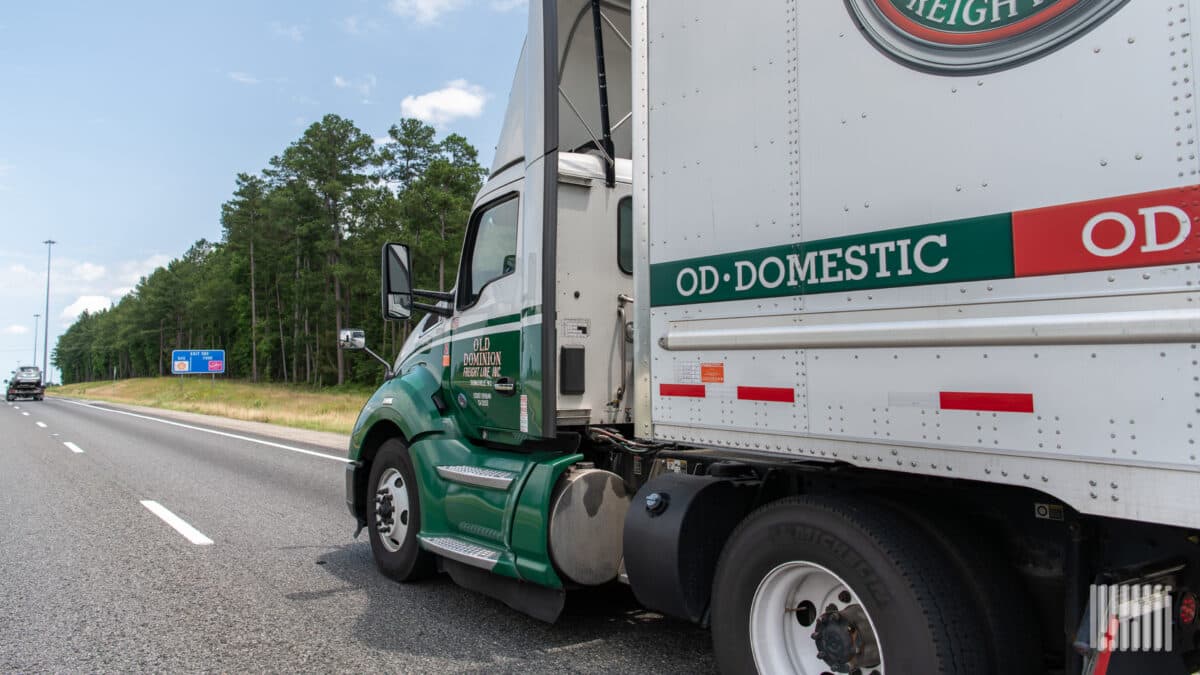
Photo via FreightWaves
In a significant decision with implications for the transportation and logistics industry, the Supreme Court has broadened the legal definition of an interstate worker to encompass some employees who never actually cross state lines, according to FreightWaves. The ruling could reshape how companies classify and manage their workforce in the delivery and freight sectors.
For Austin-based logistics providers and delivery services, this decision carries real consequences. Many companies operating throughout Texas—including regional distribution centers and last-mile delivery operations—may find their workers now subject to different regulatory requirements and labor classifications previously reserved for cross-state operations.
The expanded definition raises important questions for local business owners about compliance, insurance, and labor law adherence. Companies that assumed their purely intrastate operations fell under one regulatory framework may need to reassess their workforce management, payroll classification, and benefits structures in light of this new interpretation.
Austin's growing e-commerce and logistics ecosystem should monitor how this ruling develops in practice. With major distribution hubs and fulfillment centers operating in the region, understanding the nuances of worker classification will be essential for compliance and operational planning going forward.