Photo via FreightWaves
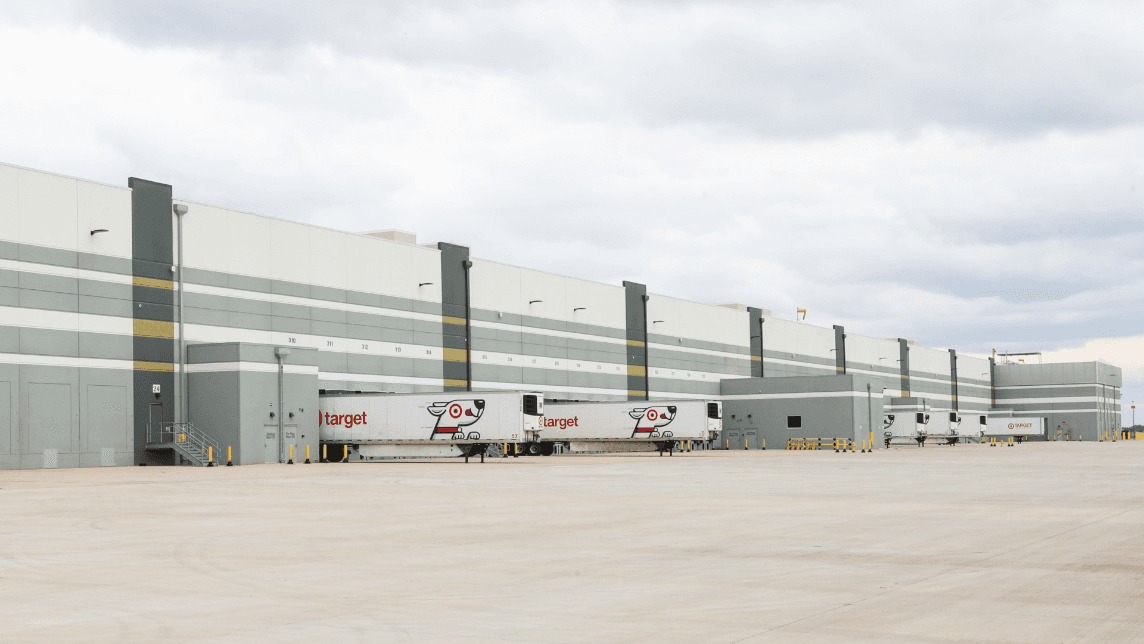
Retail giant Target is making a significant bet on its food supply infrastructure with the opening of a $367 million distribution facility in Colorado. According to FreightWaves, the new center represents a strategic expansion of Target's logistics network designed to enhance in-store food availability and selection across its store network.
The facility underscores how major retailers are investing heavily in specialized distribution infrastructure to compete in the grocery space. As traditional retail faces pressure from e-commerce and specialty grocers, companies like Target are modernizing their supply chains to offer customers fresher products and greater variety—particularly in food categories where margin and customer loyalty are significant.
For Austin's growing logistics and supply chain sector, Target's expansion exemplifies broader industry trends. Local companies in warehousing, last-mile delivery, and distribution management are seeing increased demand as national retailers build redundancy and efficiency into their networks. The investment also signals confidence in the importance of regional distribution hubs for serving geographically dispersed markets.
The Colorado center's debut reflects how distribution strategy has become central to retail competitiveness. As Austin continues to attract logistics operations and tech-enabled supply chain firms, this kind of capital-intensive infrastructure investment demonstrates the ongoing evolution of how products reach store shelves and ultimately, consumers.